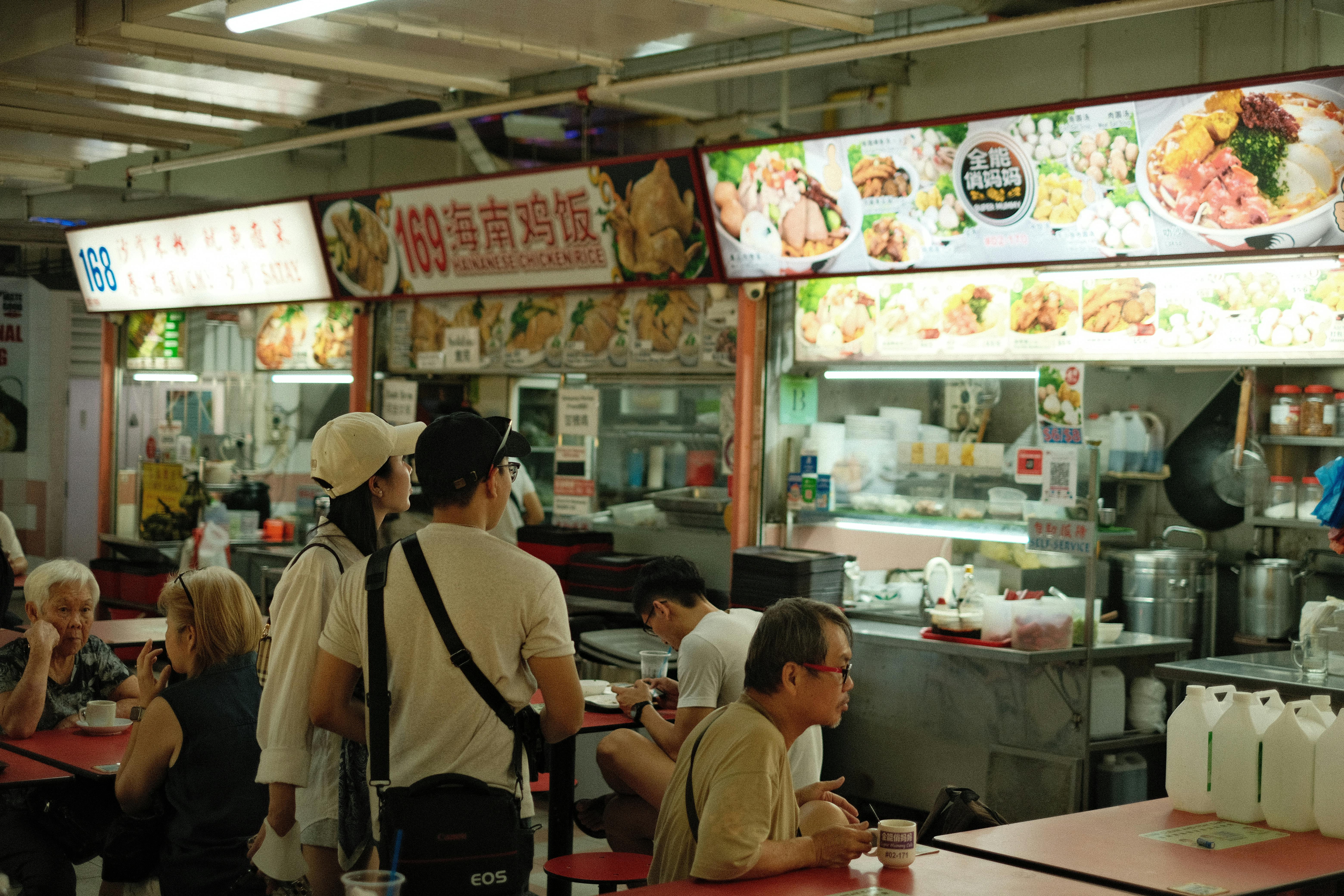
For decades, Singapore’s hawker centres have stood as vibrant cultural icons — bustling culinary ecosystems where tradition meets affordability. Yet beneath the sizzling woks and smoky grills lies a growing challenge: scalability. As demand rises and customer expectations evolve, many hawkers are turning to digital tools such as catering management software to manage operations more efficiently. These systems are helping hawker centres modernize, streamline, and expand without losing their authentic roots.
From Hawker Heritage to High-Tech Horizons
Singapore’s hawker culture, recognized by UNESCO for its cultural significance, has long relied on personal touch and routine. Orders are tracked mentally, supplies are purchased daily, and operations hinge on experience rather than systems. But as the cost of ingredients rises and labour shortages persist, this traditional model faces mounting pressure.
Enter catering management software — a digital backbone that automates everything from inventory tracking to bulk ordering and event catering coordination. For multi-stall hawker centres, it allows central management of procurement, scheduling, and even online delivery orders, bringing a level of organization once unimaginable in the hawker world.
Data: The Secret Ingredient for Growth
For hawkers, intuition has always been the guiding principle. Yet in 2025, data has become the new recipe for efficiency. Catering management software allows operators to record daily sales, ingredient costs, and customer preferences automatically. Over time, these data points reveal patterns — which dishes sell best, which days see peak traffic, and where profits leak.
One hawker cluster in Toa Payoh used analytics from its catering software to optimize its bulk purchasing schedule, reducing ingredient waste by nearly 20%. Another implemented predictive demand planning, allowing vendors to adjust production based on historical footfall data.
Bridging Generations Through Digital Empowerment
A key challenge in the adoption of catering management software lies in bridging the generational gap. Many veteran hawkers, with decades of experience behind the stove, view digital tools as complex or unnecessary. Yet younger stall operators see things differently — they see scalability.
Government-backed initiatives such as Enterprise Singapore’s Hawkers Go Digital program have stepped in to provide training and grants. The result is collaboration across generations, where older hawkers lend culinary wisdom while younger ones handle digital integration. Together, they’re building hybrid operations that retain the soul of street food while gaining the precision of data-driven management.
Smarter Service, Seamless Scaling
Catering management software is also improving the customer experience at hawker centres. Online ordering, digital payment integration, and real-time queue management are enhancing convenience for diners. For group orders or catering requests, the system allows central coordination — a game changer for hawker collectives now supplying offices, events, and community functions.
More importantly, these platforms provide scalability without sacrificing quality. Instead of each stall operating in isolation, hawker centres can now function like cohesive culinary ecosystems. Shared kitchen facilities, consolidated delivery channels, and unified menu systems are becoming increasingly common — all powered by catering software technology.
Conclusion: Preserving Tradition Through Innovation
Singapore’s hawker heritage has always been about resilience — the ability to adapt while holding fast to authenticity. The integration of catering management software marks a new chapter in that journey. By digitizing operations, hawkers are not abandoning their roots; they’re strengthening them, ensuring that their food, culture, and livelihoods remain relevant in a rapidly evolving economy.
Comments