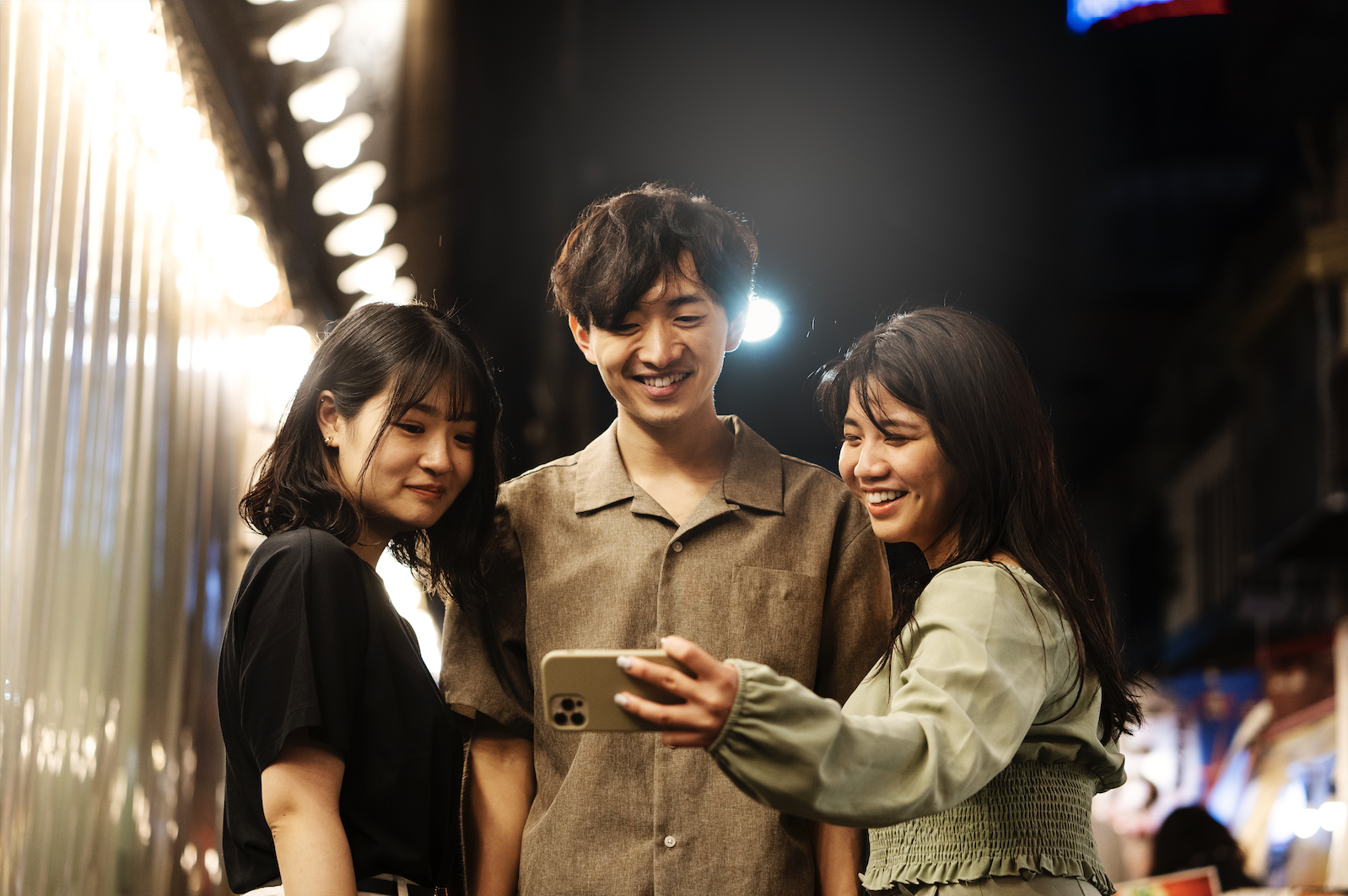
Singapore's mobile gaming boom isn't slowing down. More people play games on their phones here than watch traditional TV. Smartphone users spend three hours daily on mobile games, making Singapore one of Asia's most active gaming markets.
Gaming Beyond Mobile: The Broader Entertainment Scene
Singapore's gaming appetite extends far beyond mobile apps. Many players seek more diverse entertainment options, particularly real-money gaming experiences that mobile games can't provide. This demand leads many Singaporeans to explore sites in Malaysia that offer poker, slots, and sports betting, options heavily restricted locally. These Malaysian platforms have become popular alternatives for players wanting higher stakes and different game types than typical mobile offerings.
The cross-border digital entertainment trend is brought about by the regulatory differences between Singapore and Malaysia. Casual mobile gaming sometimes leads to an interest in more advanced gaming platforms. Many discover these sites through gaming communities and social media groups where experiences get shared openly.
Free Fire MAX Rules the Streets
Free Fire MAX appears on dozens of screens across MRT stations throughout Singapore. Garena built this game locally, which explains why it resonates so strongly with players here. The characters wear clothes you'd find at Bugis Street, and the maps look like places you actually recognize.
The game works on older phones, too. That matters when not everyone can afford the latest iPhone. Garena figured this out early and built its audience from the ground up. Regular tournaments at gaming centers across Orchard Road draw hundreds of participants weekly.
Roblox Crosses All Ages
Kids start with Roblox, but adults stick around. The game became a social platform where friends build worlds together. Local developers create Singapore-themed experiences: HDB flats, hawker centers, Marina Bay recreations.
Schools use Roblox now. Students learn coding by building games instead of staring at textbooks. Teachers report better engagement than traditional computer classes.
Block Blast Owns the Commute
Block Blast dominates morning train rides. The game doesn't need the internet, which helps during those dead zones between Tanjong Pagar and Raffles Place. People play entire rounds between stops.
The developers were smart. They made a game that fits Singapore's lifestyle—quick sessions, no commitment, easy to pause when you reach your destination. Office workers use lunch breaks to climb leaderboards, competing against colleagues from neighboring towers.
Mahjong Goes Digital
Older relatives who wouldn't touch a PlayStation love Vita Mahjong. The app recreates the feeling of weekend family games without needing four people and a table. Different rule sets accommodate various Chinese dialects and traditions, from Cantonese-style scoring to Hokkien variations.
Grandparents learn to use iPads specifically for this game. They play daily and often beat players half their age through decades of accumulated strategy knowledge. The digital version removes physical barriers; no more arguments over tile arrangements or forgotten scoring rules.
Local mahjong parlors report declining foot traffic as players migrate online. The convenience of digital play appeals to busy schedules, while chat functions maintain the social aspect that makes mahjong special. Weekly online tournaments attract thousands of participants, with prize pools reaching several thousand dollars for serious competitors.
Money Talks
Singaporeans spend serious money on mobile games. In-app purchases here exceed those in much larger countries. Battle passes, character skins, and premium currency—players buy it all without hesitation.
Game companies notice these spending patterns. Electronic Arts, Activision, and others set up regional offices here. Singapore became their gateway to Southeast Asia's 650 million potential players. The high revenue per user makes Singapore an attractive testing ground for new monetization strategies.
Social Gaming Networks
WhatsApp groups organize everything. Players share strategies, plan team sessions, and meet offline for tournaments. Gaming moved beyond solo experiences to become social events.
Local streamers build audiences around mobile games. They review new releases, showcase gameplay, and partner with developers. Some earn more than traditional jobs. Content creation has become a legitimate career path, with top streamers signing sponsorship deals worth tens of thousands monthly.
Local Talent Rising
Singapore developers create games that work globally. They understand both Western and Asian markets. Titles like Growtopia and mobile versions of classic PC games come from local studios.
Government grants help small teams experiment. The Infocomm Media Development Authority funds gaming projects that might not get traditional investment. This support keeps Singapore competitive against larger markets.
Gaming cafes evolved, too. Instead of rows of PCs, many now offer premium mobile gaming setups. Comfortable seating, charging stations, snacks—all designed for longer mobile sessions.
As the scene keeps growing, Singapore's gaming culture is setting global trends. New games launch weekly, players spend more each month, and local talent keeps improving. Industry experts predict the mobile gaming market here will double within three years as 5G networks expand and device capabilities improve further.
Comments