Crime shows are packed with danger, hard choices, and big secrets. Casinos, with their glitz and wildness, perfectly capture these elements. In series such as Luther, Killing Eve, and Peaky Blinders, these moments heighten the tension, characters face their greatest challenges, and scenes become truly special.
Here's what makes casino settings the perfect backdrop for crime stories.
Surveillance Is Everywhere
Casinos are filled with security cameras, alert staff, and controlled environments. But here’s the twist: Even with all that surveillance, secrets still thrive. People slip away to back rooms and pass coded messages. Deals are made in whispers. In shows like Luther, casinos are often seen as places where criminals feel untouchable. But all those cameras and watchful eyes usually tell a different story.
Surveillance raises the stakes; one wrong move everything can fall apart. Now, crime dramas are moving with the times with the rise of online gambling, where digital surveillance tracks every move, yet secrecy still thrives. Online casinos bring in new plots built on technology, where the tension stays high but plays out in a borderless, digital world. On trusted Singapore online casinos, players stay anonymous using cryptocurrencies like Bitcoin. Speed and privacy also draw in regular players, who like faster withdrawal speeds and the freedom of playing on their own terms.
Tension in Every Corner
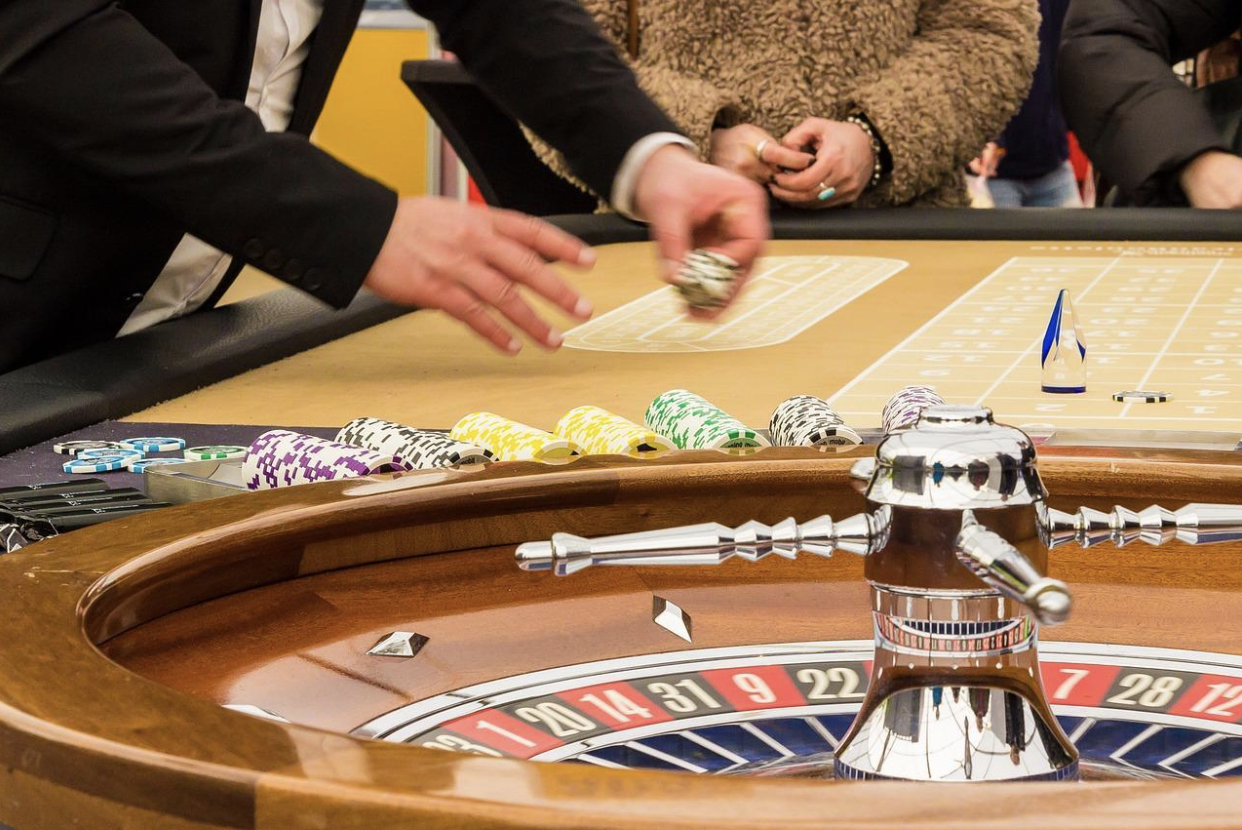
Casinos in filmlove the thrill of danger don’t need help creating suspense; they come built-in with it. You can feel the pressure in the air. Something could change with every spin of the roulette wheel or roll of the dice.
Many crime series portray casinos to create tension for the perfect big moments, where deals are made, trust breaks, and secrets come out. For example, when a scene moves into a casino, you feel the energy shift in Luther. The stakes rise, even before a word is spoken, as characters weigh their chances at the tables and in their personal battles.
The Role of Luck vs Strategy
In casinos, luck and skill mix, making every game unpredictable. Some, like poker, need strategy and smart thinking, while others, like roulette, depend only on chance. Crime fiction uses this idea to show different approaches to risk; some characters plan every move like a poker pro, while others act on instinct, hoping chance is on their side. Each character's choice is more exciting, and their fates are more uncertain. Walter White from Breaking Bad is a careful planner at first, calculating every move like a skilled poker player.
The Atmosphere of Risk and Illusion
Casinos thrive on risk. Some walk away rich, others lose everything. Just like poker players bluff and play their cards carefully, characters in crime dramas often navigate high-stakes situations where they can’t reveal their true intentions. Every decision feels like a coin toss, with fate watching from the sidelines.
Think of Peaky Blinders, where poker games are psychological warfare. Enemies bluff not only with their cards, but with their expressions. Viewers stay glued to the screen, drawn in by the high-stakes danger that makes every moment unpredictable.
Everything in a casino sparkles and looks perfect, making you feel like things are in control. But in crime stories, that shiny outside often hides a lot of trouble. It's the best place for plots about big dreams, people switching loyalties, and making very risky choices.
Casino Heists and The Art of the Con
Casino robberies make crime stories thrilling, where smart criminals try to trick the system. In movies like Ocean's Eleven, casinos are great spots for tricks and lies where success depends on good plans, quick thinking, and working together. Every step is important, with tight security and huge risks, making these stories packed with suspense and shocks.
The Glamour and Underworld Connection
In the world of crime fiction, casinos often look fancy on the outside, but the real, secret things happen hidden away. Whether it's cheating, moving illegal goods, or making secret deals, the people in these stories walk through casinos knowing that everyone is watching their every move.
In the film Casino, the grandeur of Las Vegas' casino scene masks a world of deception, power struggles, and high-stakes crime. A mixture of elegance and crime makes these moments even more thrilling.
Onscreen, casinos often shine with glamour, velvet chairs, glittering lights, sharp suits, and champagne flutes set the scene for elegance and luxury. In crime dramas, this polished setting becomes a dramatic contrast to the tension underneath. As one study notes, crime television often leans into an action aesthetic using style and sensation to pull viewers in and keep them hooked.
Peaky Blinders does this so well, where the Shelby clan grows their empire using casinos. The casinos are elegant, but the violence is never far away. Business gets done, and sometimes bodies are hidden.
Symbols of Power, Class, and Corruption
Within crime dramas, casinos are often shown as crossroads where very different people, high rollers, hustlers, politicians, and undercover cops, move through the same space, each with their own agenda. The setting creates a perfect storm for tension, secrecy, and surprise.
Casinos in crime plots bring out wealth, hidden power, and the battle of the mighty against the vulnerable. Characters like politicians, crime bosses, and wealthy business figures are often shown using these glamorous spaces to make deals, test loyalties, or assert control, turning the casino into a stage for high-stakes power plays. Crime shows like Luther highlight the divide between those who make the rules and those who get punished. Crime blends into wealth and privilege, making it even harder to know who’s really in control.
A Battleground for Trust and Betrayal
Many crime series portray casinos as symbolic crossroads of wealth, secrecy, and ambition. Some characters often use casinos to settle scores, make risky agreements, or trick their enemies. Tommy Shelby in Peaky Blinders often uses gambling establishments to settle scores, negotiate deals, or set traps. One wrong word or a single bad hand of poker can change everything. Knowing that the next move could be the last keeps the audience hooked.
The Psychology of Risk-Takers
For people who like fast action and a little bit of risk, a casino is the place to be. They believe they can beat the system or that luck is on their side. Casinos are high-energy places where normal rules sometimes feel suspended, a perfect setting for characters who thrive on bending limits and taking chances. This "anything goes" atmosphere can make characters take bigger chances
Crime fiction often shows how much criminals love the love the thrill of danger Much like risk-takers at the table, some characters in crime dramas believe they can stay one step ahead and control the outcome.
Meanwhile, a confident criminal might use the casino to show off their control and love for risk, just like John Luther, Alice Morgan, and George Cornelius, along with the other bold, unpredictable characters in Luther.
Conclusion
Casinos remain a favourite spot in crime shows, with just the right mix of risk, fancy style, control, and danger. Scriptwriters can use them to build tension, set up big confrontations, and show the darker side of money and power. As long as crime dramas thrive, casinos will continue to shine as exciting, unpredictable stages for thrilling stories.
Comments