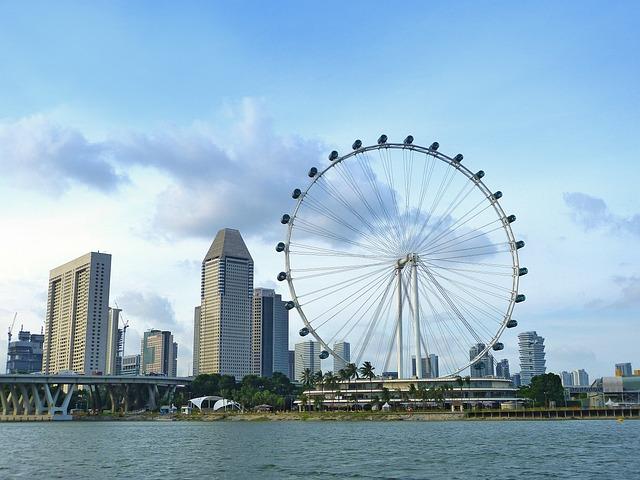
The road Singapore has traveled in terms of casino culture has not been easy: While the city-state had a very conservative view on the issue for the longest time, in 2005 they first announced plans to legalize gambling. For a long time, Singapore regarded it as morally harmful - but especially the promise of new jobs has helped change opinions, albeit with very strict rules in place to uphold Singapore’s values.
The Road to Legalization: Economic and Social Concerns
As with so many things, the legalization of gambling first stemmed from the need to find ways to diversify its economy. One of the biggest untapped markets that have been identified was Tourism, and Macau - one of Singapore’s neighbors - was very successful in making casino one of its biggest allures, so Singapore decided that the economic boost was something they might be able to emulate with its own casino resorts.
Initially, the proposal for casinos met significant public resistance. Many Singaporeans, concerned about the potential negative effects on social stability and moral values, voiced opposition. The government, mindful of its citizens' concerns, implemented a range of measures aimed at harm reduction. These included charging citizens and permanent residents a daily or annual entrance fee, prohibiting individuals with financial difficulties from entering, and establishing a National Council on Problem Gambling. By framing casinos as “Integrated Resorts” with family-friendly facilities, the government sought to emphasize the entertainment, cultural, and shopping opportunities while minimizing gambling's centrality.
The Arrival of the Integrated Resorts
In 2010, Singapore opened its first two casinos, the Marina Bay Sands and Resorts World Sentosa. With stunning architecture and amenities that appeal to both gamblers and non-gamblers, these two resorts quickly became iconic landmarks. The Marina Bay Sands, with its distinctive three-tower structure and rooftop infinity pool, has become emblematic of modern Singapore. Resorts World Sentosa, on the other hand, houses attractions like Universal Studios Singapore, an aquarium, and a water park, catering to families and tourists.
The government’s strategy to use casinos as part of larger resorts with varied offerings paid off. By 2012, Singapore's casino industry was generating nearly $6 billion in annual revenue, making it one of the world’s largest casino hubs, second only to Macau in Asia. The Integrated Resorts attracted international tourists and created thousands of jobs, while strict regulations helped manage social concerns.
This balance between economic growth and social responsibility has since become a defining feature of Singapore's casino culture.
Online Gambling and List of the Best-Rated Sites
As with most modern nations, Singaporeans have increasingly turned to online options for gambling, a trend that became more pronounced with the rise of digital technology. Although Singapore tightly regulates its online gambling space, allowing only state-regulated sites like Singapore Pools and Singapore Turf Club to operate legally, many Singaporeans still access offshore websites.
The list of the best-rated sites for online casinos accessible to Singaporean players includes international platforms known for their credibility, user experience, and range of games. Some of the criteria that make these sites “best-rated” include security, customer service, payment options, and game variety. Offshore casinos often provide appealing options like live dealer games and mobile compatibility, which add to their allure despite legal restrictions.
For those seeking online gambling experiences, reliable review sites help Singaporeans choose reputable platforms that offer fair play and secure transactions. These platforms are often reviewed based on their licensing and compliance with international gambling laws, offering peace of mind for users interested in a safe online experience.
A Controlled Casino Experience: Social Safeguards in Place
Singapore’s government has imposed rigorous regulations on casinos to ensure they don’t pose a social risk. Beyond the initial entrance fee for locals, various social safeguards are in place to protect vulnerable citizens. The Family Exclusion Order allows family members to apply for a ban on their relatives if they fear gambling addiction or financial trouble. Similarly, individuals can opt for voluntary self-exclusion if they feel they need help curbing their gambling habits.
Furthermore, casinos in Singapore are legally bound to promote responsible gaming. They provide information on where to seek help and work with the National Council on Problem Gambling to educate citizens on the dangers of addiction. Unlike the more lenient regulations seen in other gambling hubs, Singapore’s stringent controls reflect its commitment to balancing the benefits of casino gaming with the preservation of social stability.
The Rise of Casino Tourism and Economic Impact
Over 20 million people visit the integrated resorts annually. It’s mainly international tourists from China, Malaysia, and maybe more surprisingly Australia, but it has really helped to significantly shape Singapore’s economy.
Since especially wealthy tourists come to Singapore to enjoy casinos, other industries in Singapore have seen more uptake. High-end retail stores and luxury restaurants in particular have had a lot of influxes, which means that the Singaporean country has seen a lot of uptake in what it has to offer.
Challenges and Future Prospects
Despite its success, Singapore’s casino industry faces challenges. Regional competition is one such issue, as other countries like Japan, the Philippines, and Vietnam are increasingly entering the casino tourism market. Additionally, Macau’s recent crackdown on high-stakes gambling has led to concerns about “spillover,” where high-rollers might migrate to other locations, including Singapore, potentially increasing the city-state’s exposure to problem gambling.
The government has shown interest in expanding the Integrated Resorts, allowing the construction of new facilities to keep up with global standards and sustain competitiveness. Both Marina Bay Sands and Resorts World Sentosa have announced plans for significant expansions, which include more entertainment options, hotels, and attractions. However, Singapore’s commitment to maintaining a balanced approach suggests that these expansions will be carefully managed to avoid social repercussions.
Comments